
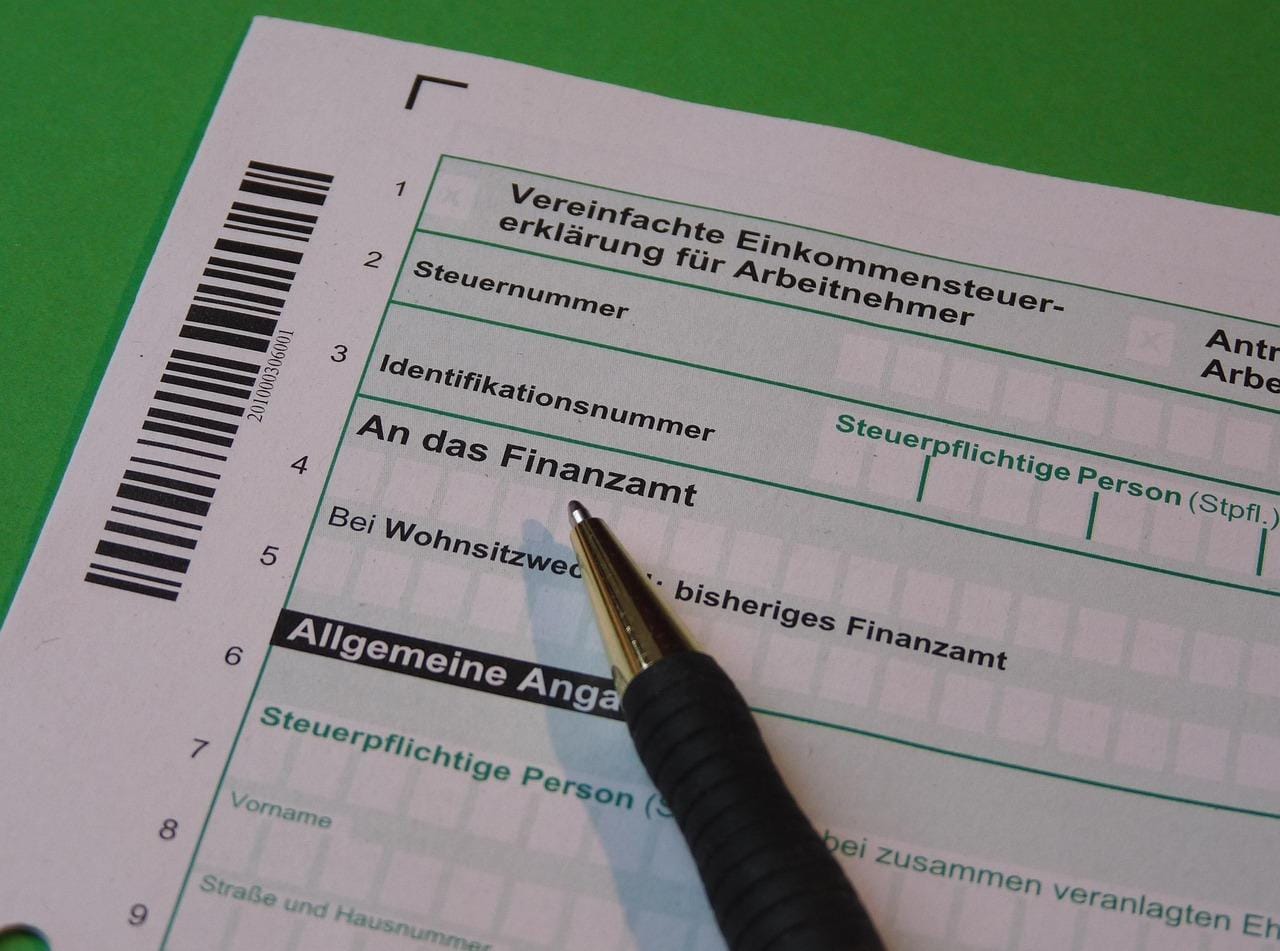
A new life in Germany: Paying taxes
The words „tax“ and „fun“ have never really had the best relationship, but do not let this stop you from delving into the complex but oftentimes confusing world of the German tax system. Navigating a new life abroad is hard, but our Germany student tax guide for 2026 is here to simplify the complex world of Finanzämter and tax IDs.
Filing a tax report in any country can be confusing, but nevertheless, it is very important to do it correctly, and on time. The taxing of individual income accounts for a massive portion of the German government’s yearly revenue, and as such, it is highly scrutinized by the authorities. It should be just as highly scrutinized (we hope!) by you.
The numbers you need to know
For 2026, the German government has increased the tax-free thresholds to help with the rising cost of living.
- Basic tax-free allowance (Grundfreibetrag): For 2026, this is set at €12,348 per year for individuals. If you earn less than this in a calendar year, you technically owe zero income tax.
- Expenses allowance (Werbungskostenpauschale): On top of that, there is an automatic „employee lump sum“ for expenses. As of 2026, this stands at €1,230.
- Tax rates: For income above these thresholds, the tax rate starts at 14% and progressively increases to 42% (the „top rate“) for high earners, reaching 45% only for the very highest income brackets.
Student work and the „mini-job“
For a student, earning opportunities are often shaped by the „mini-job“ rules. In 2026, the monthly income cap for a mini-job is €603 (this is linked to the legal minimum wage, which is now €13.90 per hour).
If you stay within this limit, you typically won’t pay income tax or most social security contributions. However, even if you earn below the threshold, filing a tax return can still be a smart move. Often, you can get back any tax that was accidentally deducted from your paycheck!
For more information on working as an international student in Germany, read our blog post, „How to work legally as an international student in Germany: mini-job, Werkstudent & part-time explained“.
The two main types of income tax
To keep it simple, think of your income in two categories:
- Lohnsteuer (wage tax): This is the standard for most employees. Your company calculates it, deducts it from your paycheck, and sends it to the government for you.
- Einkommensteuer (income tax): If you are an entrepreneur, freelancer, or self-employed, you handle this yourself.
Deadlines: If you are required to file a return for the 2025 tax year, your deadline is July 31, 2026. If you use a professional tax advisor, that deadline is usually extended into early 2027.
A note for international students: Non-EU students usually have a restriction on their residence permit. While the „140 full days / 280 half days“ rule still applies, self-employment usually requires explicit permission from the Ausländerbehörde (Foreigners‘ Office).
Know your resources
Every individual’s financial situation is unique, so it pays to do your research.
- Official info: Visit the Bundeszentralamt für Steuern at www.bzst.de. The site is available in both German and English and is a wealth of information.
- Free advice: The Finanzamt (tax office) can answer basic questions for free. Don’t be afraid to visit your local office; they are generally more helpful than their reputation suggests!
- Affordable help: For students and low-to-mid income earners, look for a Lohnsteuerhilfeverein. These are non-profit tax assistance associations that help you file for a small membership fee based on your income (often around €50–€150).
Going digital
Finally, if you have a straightforward situation, there is no need for paper forms. ELSTER, the government’s free online portal, is the standard for filing. There are also many modern, English-language apps (like SteuerGo, Taxfix, or Wundertax) specifically designed for expats that make the process as easy as clicking through a questionnaire.






Schreibe einen Kommentar